Showing posts with label open-minded. Show all posts

Friday, October 4, 2013

What I learnt from climbing a mountain/ Lo que aprendí de escalar una montaña


Until the moment when I saw this quote I had no idea how to put my recent experiences into words. But now the words flow freely once more.

How true it is. You never conquer a mountain. A mountain is unconquerable. It is a magical place with its own personality and it is subject to no one but Time. It is a place you travel to, passing through hardships and obstacles, and once you’ve survived all that you will be rewarded.

The reward may be beautiful sights, it may be new experiences. It may even be the acquisition of knowledge and insights about life itself.  

It is no wonder that in many religions the mountain is symbol of divinity. Didn’t the Greek gods live on the mountain Olympia? Didn’t Moses receive the Ten Commands on a mountain? There are infinite examples of how mountains are intimately bound to many religions, being either the place where divine events occur or where the divine beings live.

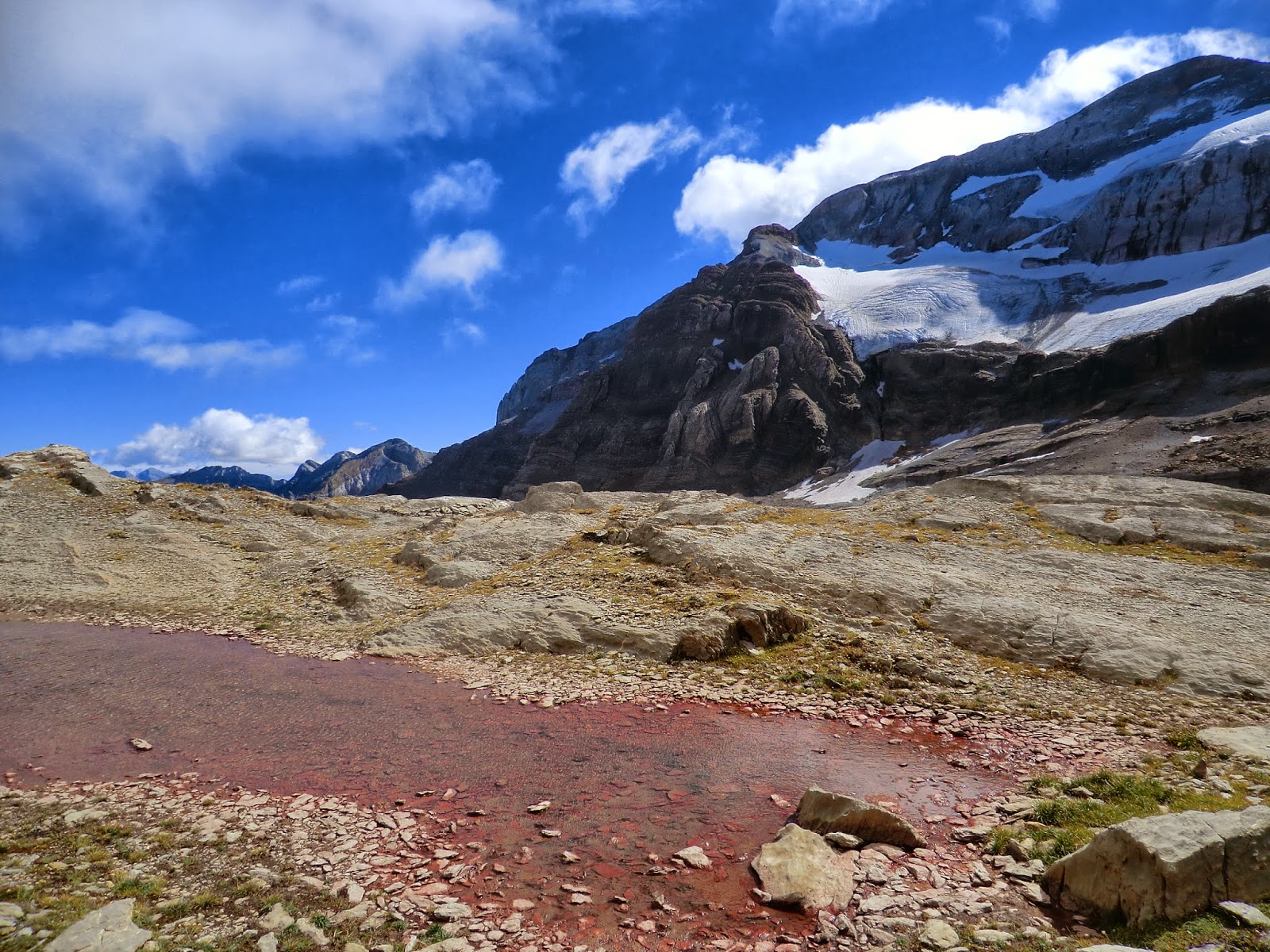
Even I perceive this magical feeling high up in the mountains. It’s hard to be an atheist in such a wild, merciless and beautiful realm. The cold, the deep blue lakes, the brave few plants who survive there, the hard rock, the clouds soaring by, the biting wind. It all surrounds you. And because of this grandness and omnipresent being of the mountain, you will feel that there is more between heaven and earth. You will feel that this mountain has personality, and that despite permitting you to be there now, it could just as easy turn your back to you and make you perish.


The knowledge I have gained on the day I climbed up to a mountain to 2600 meters was something I already knew since some time, but had never really felt the importance of it:

Climbing a mountain is the perfect metaphor for living a life. What the end goal is isn’t important. What matters is nothing more and nothing less than the journey itself, and what decisions you make during that grand adventure.

Every single step in your life you must take with mindfulness. Don’t go rushing to your final goal, because then you will miss the whole point of life’s journey and the probability that you fall and fail will increase greatly.

Love each step, care for it and observe it. Some steps might be hard, some might be easy, and there might come a moment when you consider it impossible to continue. But you have to believe in yourself, and continue, because knowledge and life experiences will be the reward. Understand that with every step you will learn something if you are open-minded enough. Understand that without all the previous steps you would not be at this point right now.


So, what am I trying to say to you, dear reader, is this; visit the mountains. High or low, many mountains can give you unforgettable experiences. Not only for their beauty and serenity, but also for their lessons.

The high mountains will teach you to be humble, but it will also make you feel more alive and connected to this beautiful Earth than ever before.  

Namaste


No realmente conquistas a una montaña.  Conquistas a tu mismo. Superaras enfermedades y todo lo demás – tu dolor, tu sufrimiento, tus miedos – para llegar a la cima

Hasta el momento que vi esta frase no tenía ni idea de cómo convertir mis experiencias recientes a palabras. Pero ahora las palabras han vuelto a fluir libremente.

Qué cierto es!  Nunca se puede conquistar una montaña. Una montaña es inconquistable. Es un lugar mágico, con su propia personalidad y está sujeto a nadie más que al Tiempo. Es un lugar a la cual viajas, donde pasas por dificultades y obstáculos, y una vez que lo hayas sobrevivido todo, serás recompensado.

La recompensa puede ser paisajes increíblemente preciosos, puede ser nuevas experiencias. Incluso puede ser la adquisición de conocimientos y revelaciones sobre la vida misma.

No es de extrañar que en muchas religiones la montaña sea el símbolo de la divinidad. ¿No es así que los dioses griegos vivían en la montaña Olympia? ¿No recibió Moisés los Diez Mandamientos en una montaña? Hay infinidad de ejemplos de cómo las montañas se encuentran íntimamente ligados a muchas religiones, siendo o el lugar donde se producen los acontecimientos divinos o donde viven los seres divinos.

Incluso yo percibo esa sensación mágica en lo alto de las montañas. Es difícil ser una persona ateo en un mundo tan salvaje, implacable y hermoso. El frío, los lagos de azul oscuro, las pocas plantas valientes que sobreviven allí, la piedra dura, las nubes, el viento fuerte y helado. Todo esto te rodea. Y debido a la grandeza y el ser omnipresente de la montaña, te sentirás que hay algo más entre el cielo y la tierra. Te sentirás que esta montaña tiene personalidad, y que a pesar de que te permite estar allí en ese momento, podría fácilmente convertirse en contra de ti  y hacerte perecer.


Los conocimientos que personalmente he adquirido en el día cuando subí a una montaña de 2.600 metros era algo que ya sabía desde hace tiempo, pero nunca había sentido la importancia de ello:

Escalar una montaña es la metáfora perfecta sobre el vivir una vida. Lo que es el objetivo final no tiene importancia. Lo que importa no es nada más y nada menos que el viaje en sí, y las decisiones que tomes durante esa gran aventura.

Cada paso en tu vida debes realizarlo con atención plena. No vayas con prisas hacia tu meta final, porque entonces te pierdes todo el sentido del viaje, y la probabilidad de que te caes y fallas aumentará en gran medida.

Ama cada paso, cuídalo y observarlo. Algunos pasos pueden ser difíciles, algunos podrían ser fáciles, y puede llegar un momento en el que crees que es imposible continuar. Pero tienes que creer en ti mismo, y continuar, porque los conocimientos y experiencias de vida serán la recompensa. Entiende que con cada paso se aprende algo si tienes la mente abierta. Entiende que sin todos los pasos anteriores no estarías en este mismo punto en este momento.


Por lo tanto, lo que estoy tratando de decir, querido lector, es lo siguiente: visitad las montañas. Altos o bajos, muchas montañas te pueden dar experiencias inolvidables. No sólo por su belleza y serenidad, sino también por sus lecciones.

Las altas montañas te enseñarán a ser humilde, pero también te hará sentir más vivo y conectado a nuestra hermosa Tierra que nunca antes.


Namaste


Wednesday, December 26, 2012

“Cuando ¿de dónde eres? es una pregunta complicada"

Hoy vi en Internet un enlace a un cortometraje “Cuando ¿de dónde eres? es una pregunta complicada" Interesado por el título, me decidí a verlo.

Es un video sobre los niños de tercera cultura; personas que han dedicado una parte importante de sus años de desarrollo fuera de la cultura de los padres. Estas personas suelen construir relaciones a todas las culturas, sin realmente pertenecer a alguna.

Y yo soy una de ellos.

Cuando la gente me pregunta de dónde soy, la respuesta fácil es "los Países Bajos". Pero cuando la gente empieza a conocerme, notaran que a veces digo cosas como "cuando vivía en Suecia..." o "en Brasil..." y la reacción de la gente es "¿Qué? Has vivido en Suecia?” A lo que mi respuesta es a menudo una insegura sí, seguido de una larga explicación de todos los lugares donde he vivido, lo que de alguna manera siempre me hace sentir muy incómoda.

Sí, he vivido en muchos países. Según las personas, porque para mí, después de haber vivido en 8 lugares diferentes, 5 países, y he ido a 11 escuelas, eso simplemente es mi realidad, es normal para mí.

De todos modos, no tienes que haber viajado tanto como que yo para ser alguien de “tercera cultura”. De hecho, el video mostraba en su mayoría personas de una cultura, que pasaron su infancia y adolescencia en otro país. Y conozco muchas de esas personas. De hecho, la mayoría de mis amigos son así, y son personas fantásticas; tolerantes, abiertas, inteligente, divertidas...

Al ser un viajero del mundo, una persona de tercera cultura, un nómada global, tiene sus cosas buenas;
  • Se aprende a ser muy tolerante y respetuosa.
  • El desarrollo lingüístico es mucho más alta (hablo 3 idiomas con fluidez, y puede entender otros 4 idiomas).
  • Eres muy buena en la adaptación a nuevas situaciones.
  • Tienes la oportunidad de conocer una gran variedad de culturas y saber cuándo cambiar de uno a otro en diferentes situaciones sociales.
  • Desarrollas excelentes habilidades en comunicación y diplomacia.
  • Incluso en los estudios y carreras se destacan; 4 veces más probabilidad de hacer una carrera universitaria, y como trabajo en puestos altamente cualificados.


Pero bien, no se puede esperar tantas ventajas sin algún inconveniente, ¿verdad? Imagínate, como yo, diciendo adiós cada 2 años de amigos, cultura, lugares y personas que amaba, y empezar de nuevo a aprender una nueva cultura, un nuevo idioma, hacer nuevos amigos, volver a adaptarse.
  • La enorme mayoría siempre se sentirá como extranjeros, independientemente de dónde se encuentren.
  • Apenas ninguno de nosotros sabe dónde está nuestro verdadero hogar
  • Las preguntas de "de dónde eres, quién eres, que eres, quien puedes confiar" sólo nos confunde, como a menudo nos sentimos sin una verdadera identidad.
  • A medida que tu vida cambia radicalmente, a menudo te sientes crónicamente desarraigados y te enfrentan con muchas más experiencias de pérdida que la persona promedio. Por lo tanto, el sentimiento de pérdida es a menudo uno de los problemas más importantes de salud mental.


Y luego está el retorno al país de origen.  Lo he experimentado yo mismo. Y para mí, los Países Bajos no es más mi hogar que cualquier otro país. Esto va junto con sentimientos muy difíciles: la gente espera que seas feliz para volver a “casa”", pero nunca ha sido verdaderamente tu casa. No sabes cómo actuar, porque ¿cómo se puede esperar de ti que sepas cómo comportarte culturalmente cuando apenas has vivido allí? Volviendo al país de tus padres puede ser un choque cultural completo y profundo.


Tal vez todo esto suena muy negativo. Y sí, al ser un nómada global tiene sus desventajas. ¿Pero qué es lo que he aprendido de ello? ¿Cuáles son las lecciones más importantes que he aprendido al vivir en tantos lugares?

Yo no tengo miedo de viajar e ir a vivir a otro lugar. Tengo plena confianza de que eventualmente pueda sentirme en casa en todas partes del mundo. Soy de mente abierta, tolerante y conozco bien las culturas y personas. Con 20 años ya he visto mucho más del mundo que muchos verán en todo su vida, y he aprendido de ello.

A pesar de los efectos negativos, nunca desearía haberme quedado en un solo lugar. Soy una ciudadana del mundo, una aventurera, una viajera, y doy gracias a las oportunidades de las que he aprendido y crecido como persona. He tenido una oportunidad que no mucha gente tiene en sus vidas, y estoy agradecido por ello. Soy una persona libre, y tal vez soy menos aterrorizado que las personas que nunca han salido de su país de origen para dejarlo todo y recorrer el mundo. Y eso es una libertad enorme. 

When “where are you from?” is a complicated question

 So, today I suddenly saw on the internet  a link to a short film “When “where are you from?” is a complicated question” Interested by its title, I decided to watch it.

It’s a video about Third culture kids, TCK; people who have spent a significant part of his or her developmental years outside the parents' culture. These people frequently build relationships to all of the cultures, while not having full ownership in any.

And I’m one of them.

When people ask me where I’m from, the easy answer is “the Netherlands”. But when people start to know me, they might notice that sometimes I say things like “when I lived in Sweden...” or “In brazil…” and people’s reaction is “What?? You’ve lived in Sweden?” to which my response is often an unsecure yes, followed by a long explanation of all the places I’ve lived, which somehow always makes me feel very embarrassed.

Yes, I’ve lived in a lot of countries. According to others, because to me, having lived in 8 different places, 5 countries, and 11 schools is my reality; it’s normal to me.

Anyway, you don’t have to have travelled so much as me to be a Third Culture Kid, in fact, the video showed mostly people from one culture, who spent their childhood in another country. And I know a lot of those people. In fact, most of my friends are third culture kids, and they are great people; open, tolerant, intelligent, fun and very grown up for their age.

Being a world traveler, a Third Culture Kid, a Global nomad, has its good things;
  •        You learn to be very tolerant and respectful.
  •        You’re linguistic development is so much higher (I speak 3 languages fluently, and can understand another 4).
  •         You are very good at adapting to new situations.
  •         You get to know a whole variety of cultures and when to switch from one to the other in different situations.
  •         You develop excellent communication and diplomatic skills.  
  •          Even in studies and careers we stand out; 4 more times probability to earn a bachelors degree, and in high-skilled positions as profession.

But then, you can’t expect so much good without some downside, right? Imagine, like me, saying goodbye every 2 years of friends, culture, places and people I loved, and starting all over again to learn a new culture, a new language, to make new friends, to adapt. 
  •         The enormous majority will always feel like outsides, no matter where they are.
  •         Barely any of us knows where home is.
  •         Questions of “where you’re from, who you are, what you are, who you can trust” only confuses us, as often we feel without a real identity.
  •         As your life radically changes, we often feel chronically uprooted and are confronted with much more experience of loss than the average person. Thus, unresolved grief is often one of the most important mental health issues.

And then there is the return to the home country. I’ve experienced it myself. And to me, the Netherlands is no more my home than any other country. It goes along with so many difficult feelings: people expect you to be happy being back “home”, but is has never been your home. You don’t know how to act; because how can it be expected from you to know how to behave culturally when you’ve barely ever lived there? Going back to the country of your parents can be a complete and profound culture shock.

Maybe all this sounds very negative. And yes, being a global nomad does have its downsides. But what have I learnt from it? What are the important lessons I’ve learnt from living in so many places?

I’m not afraid to travel, and go and live somewhere else. I have complete confidence that I can eventually make a home everywhere around the world. I’m open-minded, tolerant, and have an enormous insight in cultures and people. I’ve seen far more of the world then many will ever see, and I’ve learnt from it.

Despite the negative effects, I would never wish to have stayed in just one place. I’m a global citizen, a traveler, and I give thanks to the opportunities from which I have learnt and grown as a person. I’ve had an opportunity that not many people get, and I’m grateful for that. I’m a free person, and am maybe less terrified then people who have never left their birth country to leave everything behind and roam the world.


Friday, October 5, 2012

Travelling


Travelling. To me, there is no better way to see the world, learn and grow as a person then to travel. And with this I don’t mean visit places for 5 days, see the touristic hotspots and that’s it. No, with travelling I mean going into the wilderness. Walking into remote villages and try to communicate with people whose culture and language are foreign for you. With travelling I mean having moments of pure joy and enthusiasm as well as having moments of desperation and troubles.

Travelling to me is a great way to grow personally. From all the blessings and obstacles during your journeys you learn a great lot. From the difficult moments you learn to improvise so much more then you would if you’d never leave home. You learn about other people, you learn to greatly respect all cultures of the earth, and Mother Nature herself
.
A few quotes about travelling that I truly love because they seem so true to me are the following:

“To travel is to discover that everyone is wrong about other countries.” 

 “If you reject the food, ignore the customs, fear the religion and avoid the people, you might better stay at home.”

“The world is a book and those who do not travel read only one page.”

“One’s destination is never a place, but a new way of seeing things.”


But… however much I love travelling, it’s something that I want for myself. And there is something, this force that always drives me further, that is even more important than my love for travelling; it’s my desire to help others. I’m ambitious. I want too much, I’m idealistic. So at the moment I can’t see a way how to combine both things in such way that I can both make myself happy and others. I wouldn’t find it fair if I were to have all the fun and benefits from my personal growth on my journeys, whilst others continue to suffer.

What I do know, is that I need both to be happy. I want to help others so that they can grow, become happy, live beautiful, fulfilling, peaceful lives. And I need to travel and see this great, beautiful, extraordinary world.

I already go on small journeys in the region where I live, and although it’s nothing big, it does give me more insight about life, and gives me a feeling of self-worth I’ve never felt before. I grow, every time I step onto the road with unknown country to be discovered. And I do try to help others. But how much do I wish that there were a way to combine both, make my living out of it.


All I can hope for is a strike of insight that I know someday will come, whether it will be on a 2000 m high mountain, on my kayak on the sea, or anywhere else on my journeys. 


Wednesday, August 24, 2011

No prejudices! / No prejuicias!

No one is born hating another person because of the color of his skin, or his background, or his religion. People must learn to hate, and if they can learn to hate, they can be taught to love, for love comes more naturally to the human heart than its opposite. 
Nelson Mandela

And so it is. Wise and loving people cannot hate other people because of their different appearance, religion, political beliefs and so on. take an example; babies and young children are, in my eyes, extremely tolerant, because in their eyes we’re all just the same (which is completely true!).  It is culture and society that implants those ideas in people. Ideas that are all based on fear, fear for the unknown and fear for being called “lesser than...” and fear for being/doing “wrong” and fear for not being accepted by all. Fear is here the greatest factor, while it should not be so.  Leave fear aside, and be curious! Learn! Open your mind! And love, that most of all. Don’t let yourself be guided by the prejudices you have learnt, but by love and curiosity and acceptance and a deep tolerance.
Don’t ever, ever, judge someone because of their appearance, believes or whatever else that might vary from how you are. Open your heart and your mind, because that way you will learn and live new experiences. It will give you so much more benefits, for all, than when you would be cloaked in hate and fear.
I cannot express this very well, but it is an utmost important topic, because in daily life I see how much people are guided by fear and are close-minded….If people would all be accepting, tolerant and loving, I doubt there would be so much suffering as there is now...


Nadie nace odiando a otra persona por el color de su piel o su origen o su religión. La gente aprenden a odiar, y si pueden aprender a odiar, se les puede enseñar a amar, porque el amor es más natural al corazón humano que el odio.

Nelson Mandela

Y así es. Personas sabios y cariñosos no son capaz de odiar a otros personas por su diferente apariencia, religión, creencias políticas, etc. Como ese ejemplo; los bebés y niños pequeños son, en mi opinión, muy tolerante, porque en sus ojos todos somos lo mismo (lo cual es totalmente cierto!). Es la cultura y la sociedad que implanten esas ideas en la gente. Ideas que se basan en el miedo, el miedo a lo desconocido y el miedo de ser llamados "peor que ..." y el miedo de ser / hacer "mal" y el miedo de no ser aceptado por todos. El miedo es aquí el factor más importante, aunque no debería ser así. Deja a un lado el miedo y se curioso! Aprended! Abrid tu mente! Y ama, eso sobre todo. No te dejas guiar por los prejuicios que has aprendido, sino por el amor y la curiosidad y la aceptación y la gran tolerancia.
Nunca, Nunca, juzgad a alguien por su aspecto, creencia  o cualquier otra cosa que puede variar de cómo tu eres. Abre tu corazón y tu mente, porque de esa manera podrás aprender y vivir nuevas experiencias. Es muchísimo más beneficioso para ti y para todos, que cuando estarías lleno de odio y miedo.
 No puedo expresarlo muy bien, pero es un tema importantísimo, ya que en la vida diaria veo que mucha gente se guía por el miedo y son de mente cerrada .... Si toda la gente sería aceptante, tolerante y cariñoso, no creo que habría que tanto sufrimiento como hay ahora en el mundo....